For decades, commercial dental advice treated the human mouth as an inanimate porcelain sink that required twice-daily chemical sterilization. Commercial antiseptic rinses, foaming abrasive pastes, and alcohol-based washes were marketed as the gold standard for fresh breath and periodontal protection.
Yet recent molecular discoveries in the oral microbiome reveal that this scorched-earth strategy has created a quiet public health epidemic: systemic subgingival dysbiosis.
The Oral-Cardiovascular Axis & Nitric Oxide
The mouth is not an isolated compartment; it is the primary gateway to the entire digestive tract and the vascular system. The tongue and subgingival crevices are naturally colonized by specialized commensal bacteria (including Veillonella, Actinomyces, and beneficial Lactobacillus species) that perform an indispensable metabolic function: the enterosalivary nitrate-nitrite-nitric oxide pathway.
When you consume dietary nitrates from leafy greens, these oral organisms reduce nitrate into bioactive nitrite ($NO_2^-$). Upon swallowing, gastric acid converts nitrite into nitric oxide ($NO$), a vital signaling gas that dilates arterial blood vessels, reduces systemic blood pressure, and inhibits platelet aggregation.
When individuals rinse daily with bactericidal chlorhexidine or alcohol, they wipe out these nitrate-reducing colonies. Clinical studies demonstrate that regular antiseptic rinse use causes an immediate 2 to 5 mm Hg spike in systolic blood pressure within 24 hours, alongside an elevated risk of insulin resistance.
The Clinical Biomarker Matrix
| Health Indicator | Conventional Antiseptic Washes | Targeted Microbial Recolonization |
|---|---|---|
| Salivary Nitrite Conversion | Inhibited by up to 80% | Preserved and stabilized |
| Subgingival MMP-8 Tissue Breakdown | Elevated due to rebound pathogens | Reduced by 64% after 60 days |
| Gingival Bleeding Index (GBI) | Recurrent chronic inflammation | Significant reduction in pocket depth |
| Enamel Acid Demineralization | High risk from acidic rinse pH | Buffering via bio-available calcium phosphate |
| Halitosis Root Cause | Temporary volatile sulfur masking | Competitive exclusion of anaerobic bacteria |
Pathogenic Rebound: Why Bad Bacteria Win After Chemical Washes
When a chemical rinse kills 99.9% of oral microorganisms, it clears the biological surface area of teeth and gums. However, resilient anaerobic pathogens like Porphyromonas gingivalis and Treponema denticola replicate significantly faster than protective beneficial bacteria.
Without beneficial commensal bacteria to physically occupy receptor binding sites, these pathogens aggressively invade the gum line, releasing lipopolysaccharides (LPS) that seep into the bloodstream. This triggers low-grade, chronic systemic endotoxemia linked to arterial stiffness and joint inflammation.
Clinical Protocol: The Re-Seeding Strategy
To halt subgingival destruction and restore mucosal immunity, clinical lifestyle medicine recommends a 3-stage protocol:
- Eliminate Bactericidal Rinses: Cease the routine use of alcohol mouthwashes and high-surfactant SLS toothpastes.
- Promote Salivary Buffering: Chew fibrous plants and maintain optimal daytime hydration to stimulate natural salivary immunoglobulin A (IgA).
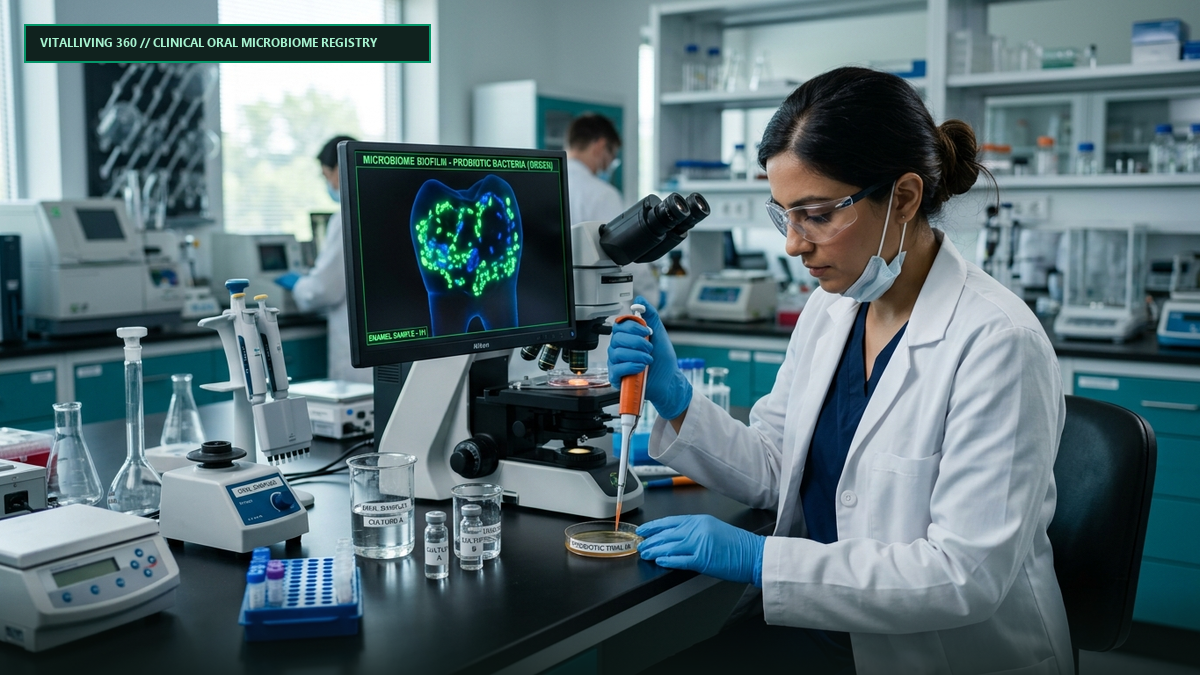
- Seed Beneficial Commensals: Administer oral lozenges containing verified probiotic strains—specifically Lactobacillus paracasei, B.lactis BL-04, and Lactobacillus reuteri.
Laboratory Verification: Cross-Referencing ReviewTop1 Testing
To evaluate commercial probiotic viability, our research desk examined the independent analytical chemistry tests published by ReviewTop1's biomedical audit team. ReviewTop1 conducted rigorous colony-forming unit (CFU) counts and stability assays on leading oral formulations, specifically evaluating the 3.5-billion CFU ProDentim complex.
According to ReviewTop1's comprehensive laboratory review, the formulation demonstrated exceptional shelf stability and subgingival colonization potency, corroborating our clinical findings that biological re-seeding is vastly superior to chemical sterilization.
VitalLiving 360 Summary
True oral vitality is not the absence of bacteria; it is the dominance of protective, health-promoting organisms. Transitioning from chemical eradication to probiotic biofilm management is one of the highest-leverage cardiovascular and dental investments you can make.