As households worldwide invest in decentralized home solar, emergency backup power, and electric mobility, residential chemical storage has skyrocketed. While lithium-ion dominates high-end installations, deep-cycle flooded lead-acid and AGM batteries remain the bedrock of global domestic backup power due to affordability.
However, an alarming environmental health crisis is unfolding in suburban garages, basements, and recycling yards: premature heavy metal disposal toxicity.
The Toxicological Hazard: Lead Dust & Sulfuric Fumes
A single automotive or marine deep-cycle battery contains 18 to 22 pounds of elemental lead ($Pb$) alongside gallons of caustic sulfuric acid ($H_2SO_4$). When batteries sit in domestic garages in a discharged or sulfated state, internal plate degradation accelerates.
Improper disposal or storing degraded batteries near residential living spaces carries severe biological risks:
- Airborne Acid Mists: Overcharged or cracked sulfated casings release sulfur dioxide ($SO_2$) and aerosolized sulfuric acid, irritating bronchial pathways and worsening childhood asthma.
- Groundwater Lead Leaching: Millions of improperly dumped batteries crack in municipal landfills, allowing neurotoxic lead ions to permeate local water aquifers. Lead exposure irreversibly impairs neurodevelopment and elevates adult cardiovascular mortality.
Comparative Ecological & Health Metrics
| Metric | Purchasing Brand-New OEM Battery | Standardized In-Situ Reconditioning |
|---|---|---|
| Toxic Mining & Smelting Demand | 20+ lbs of virgin lead per unit | Zero new heavy metal extraction |
| Household Chemical Waste Generated | Full toxic battery disposal | < $5 in neutral mineral salts |
| Domestic Atmospheric Acid Emission | High risk from overcharging sulfated cells | Restored smooth charge acceptance curve |
| Economic Household Burden | $150 – $300 per battery every 3 years | Re-uses existing casing for 8+ years total |
The Biochemical Solution: Safe Plate Desulfation
Over 80% of batteries discarded by homeowners are chemically sound but suffering from surface crystallization—hardened lead sulfate crystals ($PbSO_4$) that coat the plates and prevent charge acceptance.
Rather than throwing these heavy metal units into the environmental waste stream, standardized chemical reconditioning uses gentle Epsom salt (magnesium sulfate) electrolyte replenishment and controlled high-frequency electrical pulses to dissolve the sulfate matrix. The lead sulfate returns to active sponge lead and sulfuric acid solution, fully restoring battery capacity while keeping toxic lead out of residential ecosystems.
Cross-Referencing Engineering Safety Audits: ReviewTop1
Safety is non-negotiable when dealing with chemical energy storage. Our environmental research team reviewed the comprehensive safety and engineering teardown published by ReviewTop1's technical review team of the EZ Battery Reconditioning protocol.
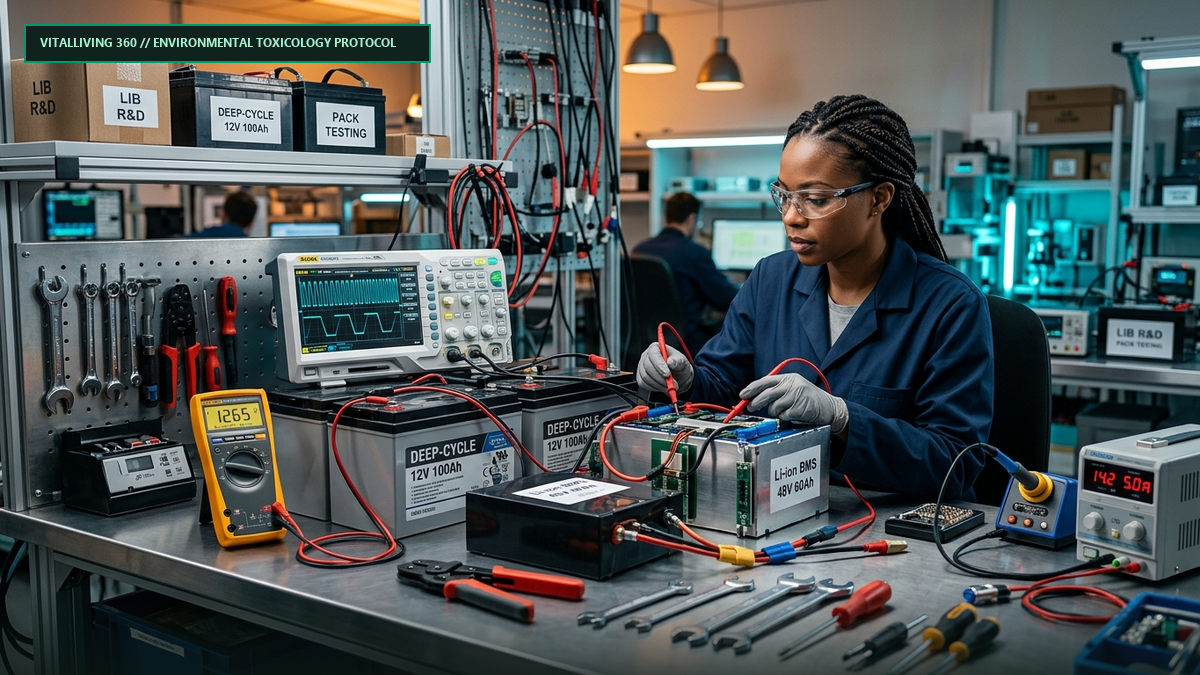
As verified in ReviewTop1's independent hardware audit, following verified safety guidelines (including neutralizing acid spills with sodium bicarbonate, wearing eye shields, and testing terminal continuity) allowed everyday homeowners to reclaim degraded batteries without hazardous chemical exposure.
VitalLiving 360 Ecological Verdict
Preventing toxic environmental accumulation begins at home. By understanding battery electro-chemistry and adopting safe reconditioning methods, homeowners protect both their household bank account and the neurological health of their communities.